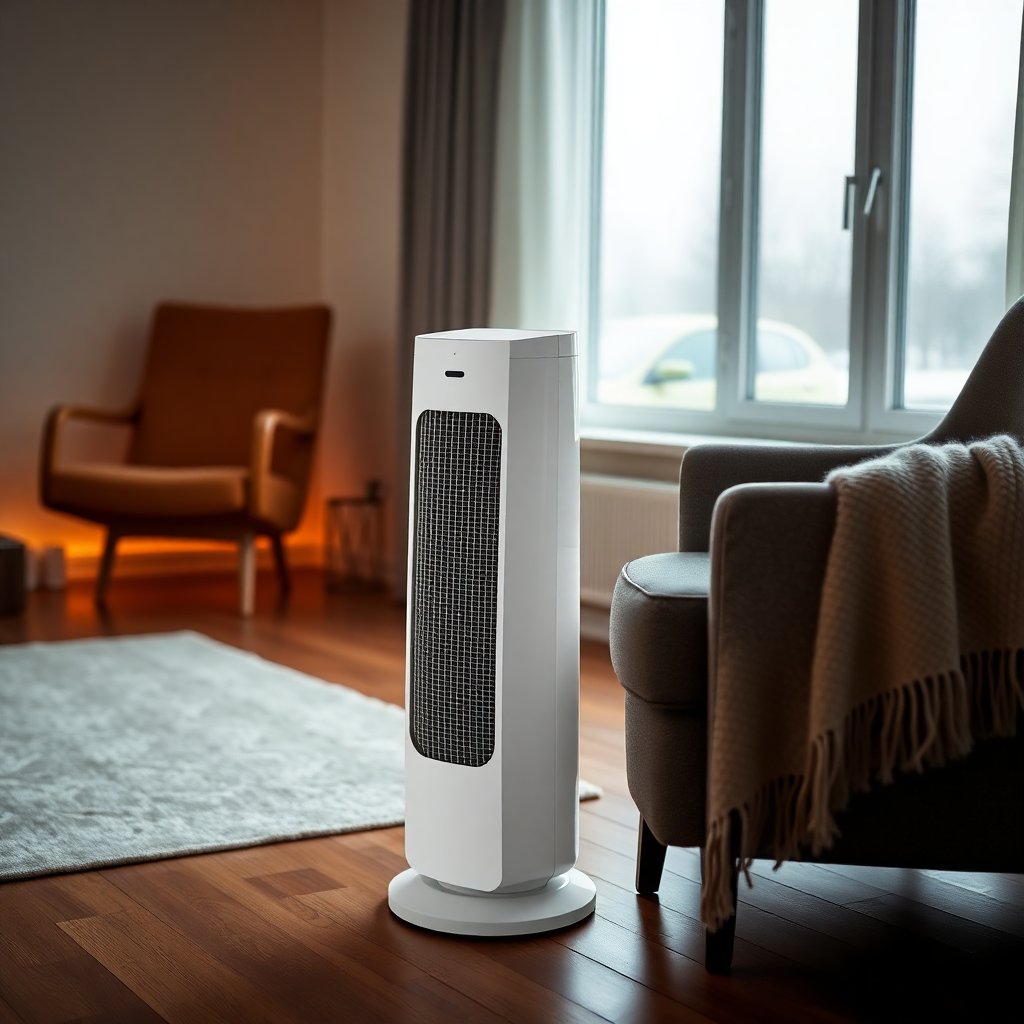
Heating season is arriving with an uncomfortable twist this year. The U.S. Energy Information Administration expects most households to pay about the same or slightly less to heat their homes this winter, with one glaring exception: electricity, which is the single heating fuel the agency forecasts will cost more, according to its Winter Fuels Outlook coverage. That matters because the smart move against a rising heating bill is often to heat less of the house, not more of it — and a good space heater is the tool that makes zone heating work.
The catch is that space heaters have a reputation for being electricity hogs, and a badly chosen one absolutely can be. The trick is matching the heater type to the room and the way you'll use it, then running it deliberately instead of leaving a 1,500-watt box roaring all evening. Get both right and you can keep the room you're actually in warm while turning the central thermostat down several degrees.
As an Amazon Associate we earn from qualifying purchases. Prices and availability change constantly — always confirm current details before you buy.
What "energy efficient" actually means for a space heater
Here's the honest part most roundups skip: nearly every electric resistance space heater is close to 100 percent efficient at turning electricity into heat. A 1,500-watt ceramic heater and a 1,500-watt oil-filled radiator both convert almost all of that power into warmth. So when a heater is marketed as more efficient, what's really being claimed is that it heats the space you care about more effectively — faster, more evenly, or more precisely — so you run it for less time or at a lower setting.
That reframes the whole decision. Efficiency isn't a spec on the box; it's about picking the design that lets you use fewer watt-hours to feel comfortable. Three things drive that: how the heater delivers warmth, how well it holds a target temperature, and whether it wastes energy heating an empty room. A good thermostat and an eco mode that toggles between roughly 750 and 1,500 watts do more for your bill than any marketing badge.
Ceramic tower heaters: the best all-around pick
Ceramic heaters push warm air out with a fan, which means they heat a room quickly and spread it around rather than warming just the space in front of them. That fast, even warmth makes a slim ceramic tower the right default for most living rooms, home offices, and bedrooms where you want the whole space comfortable within a few minutes.
What to look for. A built-in thermostat that actually maintains a set temperature, an eco or auto mode that steps wattage down once the room is warm, oscillation to spread heat, and modern safety features — tip-over cutoff and overheat protection are non-negotiable. A timer helps a lot, so the heater isn't running while you sleep or after you've left the room.
Tower models tend to win on floor space, standing tall and narrow instead of squatting in a walkway. For anyone heating a home office all day, the combination of fast warm-up and a precise thermostat is what keeps running costs sane, because the heater spends most of its time cycling at low power rather than blasting continuously.
→ Shop ceramic tower space heaters on Amazon
Oil-filled radiators: quiet, steady heat for bedrooms
Oil-filled radiators work completely differently. There's no fan and no glowing element — electricity heats oil sealed inside the fins, and that thermal mass radiates warmth slowly and silently long after the element cycles off. They take longer to warm a room, but they hold heat beautifully and run without a sound, which is exactly what you want overnight.
That makes an oil-filled radiator the standout choice for a bedroom. It won't dry the air the way a forced-air heater can, it won't hum, and because the surface temperature is lower than a bare heating element, it's a more forgiving option in a room with kids or pets. Pair it with a lower thermostat setting and a good comforter and you can keep a bedroom pleasant overnight while the rest of the house sits cool. If better sleep is the whole point, it's worth pairing warmth with the other basics in our roundup of the best sleep products for better rest.
One honest trade-off: because they warm up slowly, oil-filled radiators are less satisfying if you want instant heat the moment you walk in. Many buyers solve this with a timer or a smart plug so the radiator starts warming the room half an hour before they need it.
→ Shop oil-filled radiator heaters on Amazon
Infrared heaters: warmth aimed right at you
Infrared heaters don't try to warm all the air in a room. Instead they radiate heat directly onto people and objects, the way the sun feels warm on your skin even on a cold day. That directional approach is genuinely efficient in the one scenario it's built for: sitting relatively still in one spot — at a desk, on the couch, at a workbench in a drafty garage — where warming you matters more than warming the whole room.
Where infrared shines. Large or hard-to-heat spaces where warming every cubic foot of air would be wasteful. A dual-technology unit that combines infrared with a small fan can act as a secondary heat source for a big room, taking the edge off without you having to crank the central furnace for the whole floor.
Where it disappoints. Walk away and the warmth goes with you, because it heats objects rather than banking heat in the air. For a room you move around in, a ceramic or oil-filled model will feel more consistent.
→ Shop infrared space heaters on Amazon
The running-cost math, without the mystery
The formula is refreshingly simple. Multiply the heater's wattage (in kilowatts) by the hours you run it by your electricity rate. A 1,500-watt heater is 1.5 kW; run it for five hours at 18 cents per kWh and that's 1.5 × 5 × 0.18 = about $1.35 for the evening.
The problem is that electricity rates vary wildly by region, and that's the whole reason the EIA singled out electricity as the fuel getting pricier this winter. In a low-cost area, running a heater a few hours a night is genuinely cheap. In a high-rate market, leaving a 1,500-watt heater on all evening can add well over a hundred dollars to a monthly bill. So the goal is never "which heater sips power" — it's "how do I run any heater for fewer hours."
Three habits do most of the work:
- Turn the central thermostat down while the heater is on. Space heaters save money only when they let you heat one room instead of the whole house. If the furnace is still holding 70 everywhere, you've just added a second bill.
- Use the thermostat and eco mode, not the max button. Set a comfortable target and let the heater cycle. Running at a steady lower setting almost always beats blasting high, then shutting off, then blasting again.
- Put it on a timer or smart plug. The cheapest kilowatt-hour is the one you never use. Having the heater warm a room right before you need it, then shut off on its own, quietly prevents the all-night runtime that wrecks a bill.
Safety: the part that isn't optional
Space heaters are a leading cause of home heating fires, and the rules for using one safely are simple and worth repeating. Give the heater at least three feet of clearance from bedding, curtains, furniture, and anything else that can burn. Always plug it directly into a wall outlet — never a power strip or extension cord, which aren't rated for a heater's sustained draw and can overheat. Place it on a hard, level surface, not carpet or a rug that can trap heat. Never leave one running unattended or while you're asleep unless it's specifically designed and rated for it, and only buy models with automatic tip-over and overheat shutoff. For the official guidance, the U.S. Consumer Product Safety Commission's space heater safety tips are the reference to trust.
→ Shop space heater safety accessories and smart plugs on Amazon
Don't forget what warmth does to your air
Heating a closed-up room all winter changes the air in it, and the two most common complaints are dryness and stuffiness. Forced-air ceramic heaters in particular can leave a room feeling parched, which is rough on skin, sinuses, and sleep. A small humidifier in the room you heat most makes the same temperature feel more comfortable — our guide to the best humidifiers for dry air covers the quiet, low-maintenance models worth owning. And if you're sealing up a room and running a heater for months, air quality is worth a thought too; the compact units in our roundup of the best air purifiers for the home in 2026 handle the stuffiness that comes with a shut-tight winter room.
The bottom line
The best space heater for winter 2026 is the one that lets you heat the room you're in and turn the rest of the house down. Choose a ceramic tower for fast, even warmth in a living room or office, an oil-filled radiator for silent, steady heat in a bedroom, and an infrared unit when you need to warm a person in a big or drafty space rather than the whole volume of air. Then run whichever you pick deliberately — a real thermostat, an eco setting, a timer, and a lower central thermostat do far more for your bill than any efficiency claim on the box. With electricity the one heating fuel expected to cost more this winter, spending a little on the right heater and using it smartly is how zone heating actually saves you money instead of quietly adding to the bill.
As an Amazon Associate we earn from qualifying purchases. This article contains affiliate links; if you buy through them we may earn a small commission at no additional cost to you.