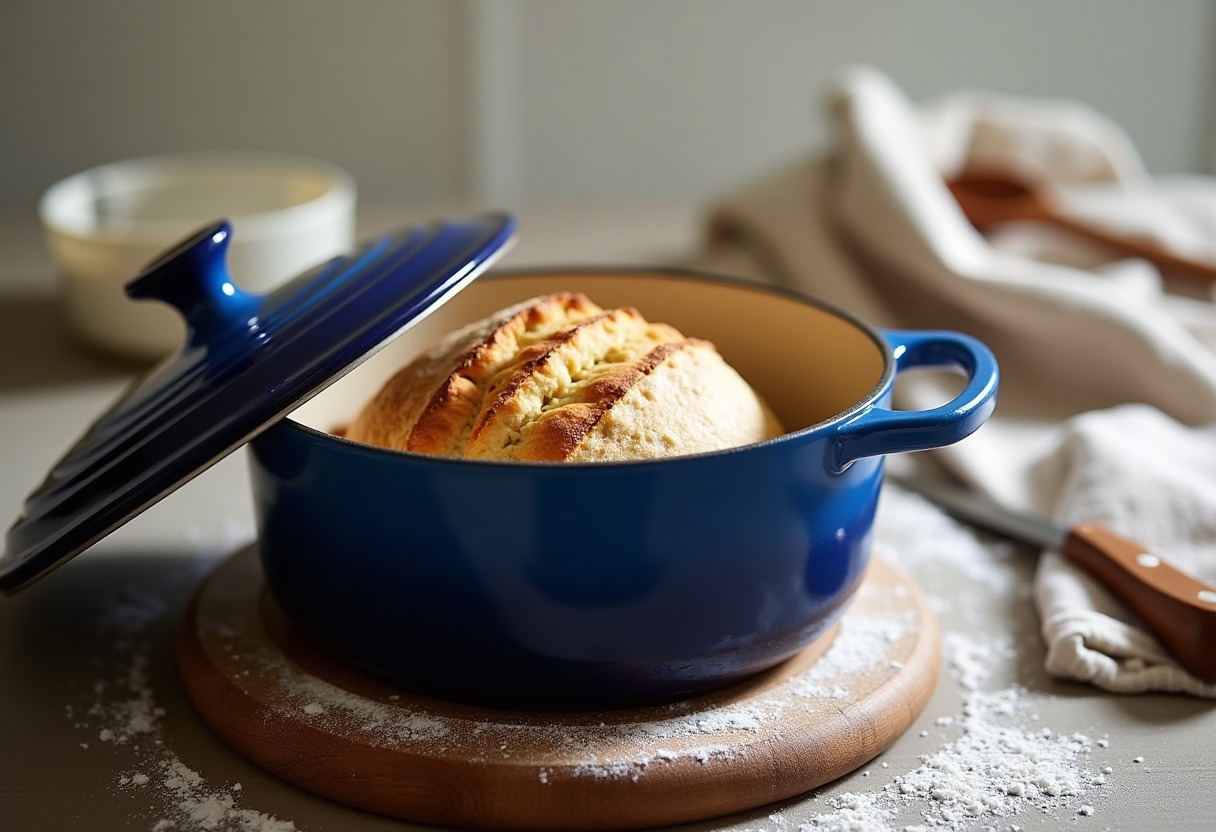
Most people buy a Dutch oven for bread baking, then realize it's the most versatile pot they own. A properly chosen Dutch oven handles crusty sourdough at 500°F, slow-braised short ribs, weeknight chili, and Sunday roast chicken with equal capability—but only if you pick the right size, weight, and enamel quality for how you actually cook.
Why Cast Iron Dutch Ovens Dominate Home Kitchens
Cast iron retains heat better than any other cookware material. When you add cold ingredients to a preheated Dutch oven, the temperature barely drops—critical for achieving proper browning and maintaining consistent braising temperatures. According to Wikipedia, traditional Dutch ovens date back to the 1700s, but the enameled versions we use today became popular in the 1920s when Le Creuset introduced vitreous enamel coating that eliminated seasoning requirements.
The enamel coating solves cast iron's biggest drawbacks. Raw cast iron reacts with acidic ingredients like tomatoes and wine, and it requires regular seasoning maintenance. Enameled cast iron handles tomato sauce, citrus marinades, and vinegar-based braises without flavor interference or surface degradation. The smooth interior won't stick when properly preheated, and cleanup involves hot water and a sponge rather than careful scrubbing and re-oiling.
Weight matters more than most reviews acknowledge. A 6-quart enameled Dutch oven typically weighs 13-16 pounds empty. That heft contributes to heat retention but creates handling challenges—lifting a pot full of stew or roast from a 450°F oven requires real arm strength and secure oven mitts. Lighter alternatives exist, but they sacrifice thermal performance. Choose based on your physical capabilities and storage situation.
What Separates Premium from Budget Dutch Ovens
The enamel quality determines longevity. Premium Dutch ovens use multiple layers of enamel applied at high temperatures, creating a finish that resists chipping, staining, and thermal shock. Budget versions often apply thinner enamel that chips around the rim after a few years of regular use. The cooking performance might be identical initially, but durability varies dramatically.
Lid fit affects moisture retention during braising. Well-engineered lids create a tight seal that traps steam and creates a self-basting environment. Check for a slightly domed lid that allows condensation to drip back onto the food rather than pooling around the rim. Flat lids work fine, but domed versions perform better for dishes that cook for hours.
Handle size and placement matter daily. Stubby handles save oven space but make lifting awkward. Oversized handles provide better grip with thick oven mitts but may not fit in smaller ovens when the lid is inverted. Test the handle ergonomics before buying—you'll use this pot frequently enough that comfort counts.
Interior color changes how you cook. Light-colored interiors (cream, white, beige) show fond development clearly, making it easier to judge when onions have caramelized or meat has developed proper browning. Dark interiors (black, navy) hide visual cues but show stains less readily over time. Neither is objectively better—it depends on whether you prioritize cooking feedback or long-term appearance.
Dutch Oven Size and Shape Comparison
| Size | Best For | Serves | Oven Clearance Needed | |----------|--------------|------------|---------------------------| | 3.5 qt Round | Side dishes, small batches, rice, couples | 2-3 | 9.5" diameter × 6" height | | 5.5 qt Round | Weeknight dinners, standard bread loaves, roast chicken | 4-6 | 10.5" diameter × 6" height | | 6.75 qt Round | Large family meals, batch cooking, big roasts | 6-8 | 11.5" diameter × 6.5" height | | 6.75 qt Oval | Whole fish, long roasts, baguettes, narrow ovens | 6-8 | 15" × 9" × 6" height |
Round 5.5-6 quart sizes handle the widest range of tasks. You can bake a standard boule, braise a 4-pound pork shoulder, or make enough chili for six people. Smaller sizes limit batch cooking; larger versions become unwieldy for everyday use and don't fit in standard 24-inch ovens as comfortably.
Oval shapes excel for specific tasks but sacrifice versatility. A 6-quart oval holds a whole chicken more naturally than a round pot, and the elongated shape fits baguettes perfectly. However, the footprint makes stovetop browning less efficient—meat and vegetables spread across a larger surface area, requiring more time to develop color. Choose oval only if you frequently cook long roasts or fish.
Recommended Dutch Oven Types for Different Cooking Styles
For Bread Bakers: A → Shop enameled dutch oven on Amazon with a 5-6 quart capacity and light interior works best. The round shape produces ideal boule proportions, and the light enamel lets you monitor crust development through the glass lid (if included) or during uncovered baking. Handles should be rated to at least 500°F since bread baking starts hot. Lodge and Cuisinart both make affordable options that perform identically to premium brands for bread—you're paying for enamel durability, not heat retention differences. The tight lid seal traps steam during the first 30 minutes of baking, creating the humid environment that produces dramatic oven spring and crispy crusts. If you're building your bread-making setup, pair this with proper storage from our Best Bread Boxes Keeping Bread Fresh Longer guide.
For Daily Cooking: A → Shop cast iron dutch oven 6 quart on Amazon balances capacity and manageability. This size handles roast chicken, pot roast, weeknight chili, and Sunday ragu without leaving you with a pot too heavy to lift comfortably when full. Look for smooth interior enamel without ridges or texture—easier cleanup matters when you're using the pot three times per week. Dark exteriors hide discoloration from stovetop use better than pastels, though cooking performance remains identical. The 6-quart capacity integrates well with other foundational cookware covered in our Kitchen Foundations guide.
For Small Households or Side Dishes: A 3.5-4 quart Dutch oven provides full functionality at a more manageable size and weight. These smaller versions work for rice, small braises, side dishes, and desserts. The reduced capacity means faster preheating and less stored heat to manage. Particularly useful for apartment dwellers with limited storage or those who primarily cook for one or two people. You get authentic Dutch oven performance without committing to a 15-pound pot.
For Stovetop-Focused Cooking: A → Shop ceramic coated dutch oven on Amazon offers lighter weight and faster heating than traditional cast iron. These aluminum or stainless steel cores with ceramic coating heat more evenly on electric and induction cooktops, reducing hot spots during the browning phase. They sacrifice some heat retention during oven braising, but perform identically for stews, soups, and sauces that stay on the stovetop. Particularly valuable if you have a glass cooktop where heavy cast iron poses cracking risks.
For Maximum Versatility: An → Shop oval dutch oven on Amazon handles long roasts, whole fish, and racks of ribs that don't fit in round pots. The 6-7 quart oval capacity matches round versions but accommodates different food shapes. Trade-off is reduced stovetop efficiency—the elongated base doesn't match most burner sizes, creating uneven heating during browning. Choose this as a second Dutch oven after you already own a round workhorse.
What Most Dutch Oven Reviews Miss
Thermal shock resistance varies between brands and models. Sudden temperature changes—like adding cold liquid to a screaming hot pot or moving from stovetop to sink—can crack inferior enamel. Quality Dutch ovens handle reasonable temperature swings, but no enamel coating survives extreme abuse. Never run cold water over a hot Dutch oven, and let the pot cool at least 10 minutes before washing.
The lid doubles as a shallow braiser when inverted. Most Dutch ovens feature an oven-safe lid that can function independently as a skillet or griddle. This increases versatility—you can roast vegetables in the lid while braising meat in the pot, maximizing oven space. The inverted lid technique also works for dishes that benefit from more surface area exposure, like gratins or open-faced casseroles.
Metal utensil compatibility depends on enamel hardness. Premium enameled cast iron withstands metal spatulas and whisks without scratching, while budget versions show damage quickly. The manufacturer's guidance tells you everything—if they recommend wooden or silicone utensils only, the enamel won't hold up to metal tools. This matters for techniques like deglazing or scraping fond, where you need to work the bottom surface vigorously.
Preheating empty can damage cheaper enamel. While quality Dutch ovens tolerate dry preheating for bread baking, budget versions sometimes crack or discolor when heated empty beyond 400°F. Always check the manufacturer's preheating guidance. For bread, some bakers add a sheet of parchment paper during preheat to protect the enamel, though this isn't necessary with premium brands.
Replacement lid availability matters for long-term ownership. Cast iron bodies outlast enamel—the pot itself can last decades, but lids chip or crack more frequently from thermal stress and handling impacts. Brands that sell replacement lids separately offer better long-term value. Lodge and Le Creuset both maintain replacement part availability; lesser-known brands often don't.
Color affects resale value surprisingly. Neutral colors (white, black, navy, sage) maintain better resale prices than trendy shades that date themselves. If you're investing in a premium Dutch oven, consider that the color choice impacts potential future value. Practical consideration only if you upgrade cookware periodically, but worth noting for $300+ purchases.
Similar to how we recommend thinking long-term with purchases in our Best Non Toxic Cookware Sets guide, choosing a Dutch oven means considering both immediate needs and decade-long durability.
FAQ
What size Dutch oven should I buy for bread baking?
A 5-6 quart round Dutch oven accommodates standard boule sizes (750g-1000g of dough) with enough clearance for oven spring. Smaller pots restrict rise; larger versions work but waste oven heat and are harder to maneuver. The round shape produces the traditional bread dome better than oval pots. Your oven's interior dimensions matter too—measure the interior width and height to confirm a 10.5-11 inch diameter pot fits comfortably with the lid on. Most standard home ovens accommodate up to 6.75 quart pots without issue, but compact or countertop ovens may require smaller sizes.
Are expensive Dutch ovens worth the price compared to budget brands?
Budget Dutch ovens perform identically when new—cast iron is cast iron. You pay for enamel quality, which determines how the pot looks and functions after 5-10 years of regular use. A $50 Lodge shows rim chipping and interior staining after heavy use but keeps cooking perfectly. A $350 Le Creuset or Staub maintains appearance and resists damage longer. If you cook with your Dutch oven weekly and care about aesthetics, premium brands justify their cost. For occasional use or purely functional purposes, budget options deliver 90% of the performance at 20% of the price. The cooking results—how your bread bakes or how your stew tastes—remain essentially identical across price points when the pots are new.
Can I use a Dutch oven on a glass cooktop safely?
Cast iron Dutch ovens work on glass cooktops but require careful handling. The weight poses a cracking risk if dropped or slid roughly across the surface. Always lift rather than slide the pot, and avoid dragging it when full. Set the pot down gently rather than dropping it onto the burner. Enameled cast iron won't scratch glass like raw cast iron can, but the sheer weight creates impact risks. Some manufacturers specifically warn against glass cooktops in their care instructions—check before assuming compatibility. Lighter ceramic-coated aluminum Dutch ovens reduce risk while maintaining functionality, though they sacrifice some heat retention during oven braising compared to traditional cast iron.
How do I prevent food from sticking in an enameled Dutch oven?
Proper preheating prevents most sticking issues. Heat the empty pot over medium heat for 3-5 minutes, add fat (oil, butter, or rendered meat fat), then add ingredients once the fat shimmers or a water droplet sizzles on contact. The enamel surface becomes effectively non-stick when properly preheated with adequate fat. Don't rush the browning phase—let meat develop a crust before attempting to move it. Stuck bits usually release naturally once proper color develops. For cleanup, stuck-on food responds well to a 15-minute soak in hot water with a drop of dish soap. Avoid abrasive scrubbers on enamel surfaces, though a paste of baking soda and water safely removes stubborn residue when applied gently with a soft sponge.
What's the difference between a Dutch oven and a French oven?
The terms are functionally interchangeable in modern usage—both refer to enameled cast iron pots with tight-fitting lids suitable for stovetop and oven use. Some manufacturers market their products as French ovens when featuring specific design elements like self-basting lid interiors or lighter color palettes, but no standardized distinction exists. Traditional Dutch ovens historically referred to raw cast iron pots with legs for campfire cooking, while French ovens always meant the enameled versions. Today, most consumers use "Dutch oven" for any covered cast iron pot regardless of enamel coating. Focus on specifications (capacity, weight, enamel quality) rather than whether it's marketed as Dutch or French—the names don't indicate meaningful performance differences.
Choosing Your Dutch Oven
A 5.5-6 quart enameled cast iron Dutch oven with light interior and oven-safe handles to 500°F covers bread baking, braising, roasting, and daily cooking for most households—everything else is refinement rather than necessity.
Some links on this page are affiliate links. We may earn a small commission if you purchase through them, at no extra cost to you.
As an Amazon Associate we earn from qualifying purchases. This article contains affiliate links; if you buy through them we may earn a small commission at no additional cost to you.