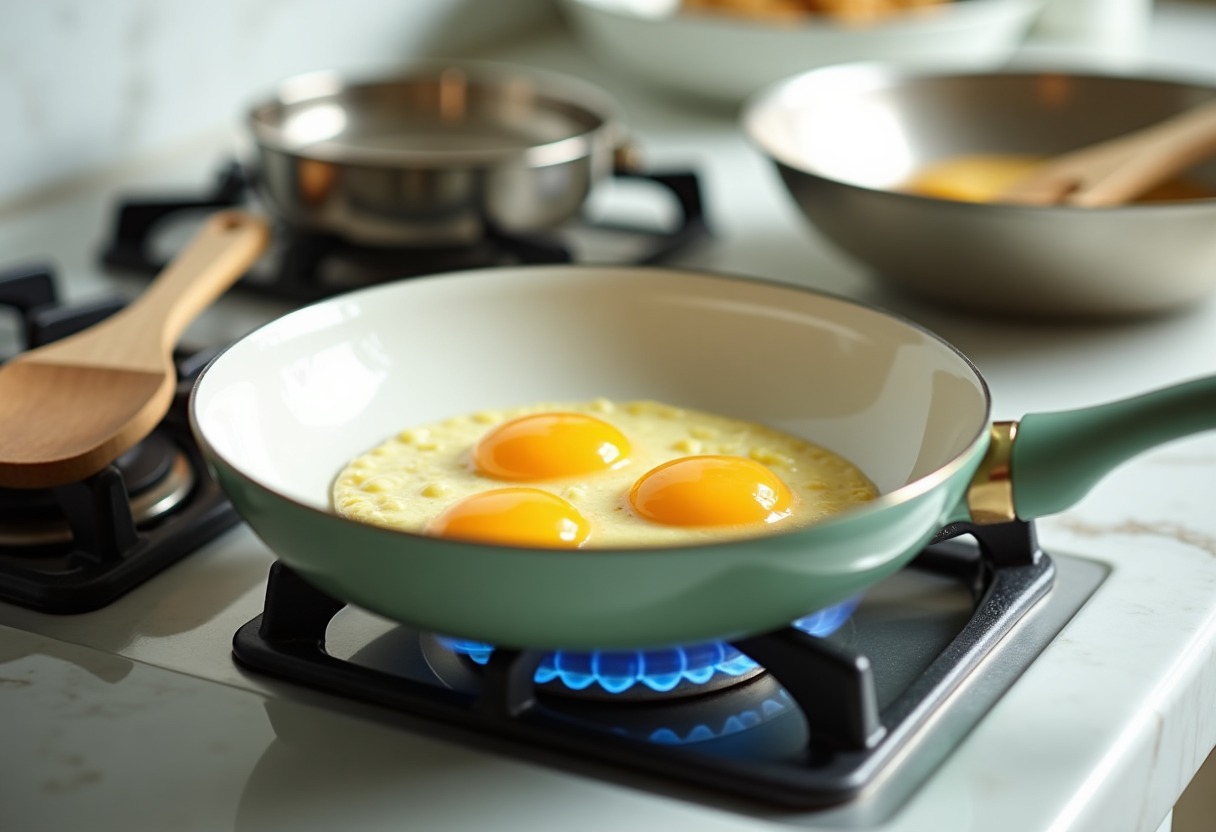
Traditional non-stick coatings release toxic fumes when overheated, and even at normal cooking temperatures, they gradually break down and flake into your food. The solution isn't buying expensive "green" marketing claims — it's choosing cookware materials that perform without chemical coatings altogether.
Why Most Cookware Contains Hidden Toxins
PFOA (perfluorooctanoic acid) and PFOS compounds in traditional non-stick surfaces create convenient cooking but serious health concerns. The Environmental Protection Agency has documented these forever chemicals accumulating in human bloodstreams and remaining there for years. When Teflon pans exceed 500°F — easily reached during searing or preheating — they release polymer fumes that cause flu-like symptoms.
Aluminum cookware poses different risks. Direct contact between acidic foods and uncoated aluminum can leach the metal into your meals. While the connection between aluminum exposure and neurological issues remains under study, many home cooks prefer avoiding unnecessary exposure entirely.
Even ceramic-coated pans marketed as non-toxic can contain lead or cadmium in their glazes. The key lies in understanding which materials deliver excellent cooking performance without requiring chemical treatments or questionable manufacturing processes.
Material Science: What Actually Makes Cookware Safe
Stainless steel represents the gold standard for non-toxic cooking. Quality stainless steel contains chromium and nickel that form a passive layer preventing corrosion and metal leaching. The 18/10 designation (18% chromium, 10% nickel) offers optimal durability and safety. Unlike coated surfaces, stainless steel improves with proper seasoning and develops better heat distribution over time.
Pure ceramic cookware eliminates metal concerns entirely. Genuine ceramic pieces are fired at temperatures exceeding 2000°F, creating an inert surface that won't react with foods or release particles. However, many products labeled "ceramic" are actually aluminum pans with ceramic coatings — read specifications carefully to distinguish between solid ceramic construction and ceramic-coated metal.
Cast iron and carbon steel provide naturally non-stick surfaces through proper seasoning. These materials require more maintenance but offer unparalleled heat retention and can transition from stovetop to oven without temperature limitations. The iron content can actually supplement dietary iron intake, though this varies significantly based on cooking methods and foods prepared.
Performance Comparison: Heat, Durability, and Maintenance
| Material | Heat Distribution | Oven Safe Temp | Maintenance Level | Lifespan | Best For | |----------|------------------|----------------|-------------------|----------|----------| | Stainless Steel | Even with thick base | 500-800°F | Low | 20+ years | Searing, deglazing, everyday cooking | | Ceramic | Moderate | 400-450°F | Low | 5-10 years | Slow cooking, baking, acidic foods | | Cast Iron | Excellent retention | No limit | High | Lifetime | High-heat cooking, outdoor use | | Carbon Steel | Superior responsiveness | No limit | Moderate | 15+ years | Stir-frying, professional techniques |
Stainless steel excels in versatility but requires technique for preventing sticking. Proper preheating and fat distribution create excellent release properties. Ceramic offers the most foolproof non-stick experience but lacks the browning capabilities essential for developing complex flavors through Maillard reactions.
Carbon steel combines the heat retention of cast iron with the responsiveness of stainless steel. Professional kitchens rely on carbon steel for woks and sauté pans because it heats quickly and maintains temperature during high-volume cooking. The seasoning process creates a natural polymer coating more durable than any manufactured non-stick surface.
Top Non-Toxic Cookware Set Recommendations
All-Clad D3 Stainless Steel Set delivers restaurant-quality performance through tri-ply construction bonding aluminum cores between stainless steel layers. The aluminum provides even heat distribution while stainless steel surfaces remain completely inert. Sets include essential pieces: 8-inch and 10-inch skillets, sauce pans with lids, and a stockpot. Expect 20+ years of daily use with proper care.
→ Shop stainless steel cookware on Amazon
GreenPan Valencia Pro Ceramic Set uses Thermolon coating derived from sand, not petroleum-based chemicals. The ceramic surface maintains non-stick properties up to 850°F without releasing toxic fumes. Hard-anodized aluminum bases provide excellent heat conduction. These sets work on all cooktops including induction and offer dishwasher-safe convenience.
→ Shop ceramic cookware sets on Amazon
Lodge Cast Iron Set includes pre-seasoned skillets, Dutch ovens, and griddles ready for immediate use. The seasoning process uses vegetable oil polymerized at high temperatures, creating a natural non-stick surface that improves with use. Cast iron maintains heat longer than any other material, making it ideal for searing and braising techniques.
→ Shop cast iron skillets on Amazon
Made In Carbon Steel Set offers professional-grade performance in a home kitchen. These pans heat faster than cast iron but retain temperature better than stainless steel. The natural seasoning develops superior non-stick properties over time. Carbon steel works exceptionally well for high-heat applications like stir-frying and requires less maintenance than traditional cast iron.
→ Shop carbon steel pans on Amazon
Xtrema Pure Ceramic Set represents 100% ceramic construction without metal cores or coatings. These pieces heat slowly but distribute heat evenly once warm. Pure ceramic eliminates any possibility of metal leaching and works safely in ovens up to 2500°F. The non-reactive surface preserves food flavors and works particularly well for acidic ingredients.
Advanced Techniques for Non-Stick Results Without Coatings
Temperature control transforms stainless steel from sticky nightmare to professional-grade performer. Heat pans over medium heat for 2-3 minutes before adding oil. Test readiness by dropping water droplets — properly heated surfaces cause water to form dancing beads rather than immediate evaporation. Add oil when pans reach temperature, not before.
Protein sticking occurs when surface moisture creates steam barriers preventing proper contact. Pat proteins completely dry and allow them to reach room temperature before cooking. Initial contact forms chemical bonds that break naturally once proteins develop crusts. Attempting to flip or move proteins before natural release causes tearing and sticking.
Seasoning carbon steel and cast iron requires patience but delivers permanent non-stick surfaces. Heat pans until smoking, add thin oil layers, and continue heating until oil polymerizes into hard films. Multiple seasoning sessions build up protective layers that improve release properties and prevent rust formation. Avoid soap during early seasoning phases — use coarse salt and oil for cleaning instead.
Deglazing techniques work exclusively with uncoated surfaces. After searing proteins, fond (browned bits) stuck to pan bottoms contain concentrated flavors. Adding wine, stock, or even water dissolves these deposits into complex pan sauces impossible to achieve with non-stick surfaces. This fundamental cooking technique requires reactive surfaces that promote browning and fond development.
For more advanced cooking techniques and equipment recommendations, check out our Kitchen Foundations guide covering essential tools beyond cookware.
FAQ
Do ceramic cookware sets contain lead or other heavy metals? Quality ceramic cookware manufactured for US markets must meet FDA standards prohibiting lead and cadmium in food-contact surfaces. However, some imported ceramic pieces and vintage items may contain these materials. Look for products explicitly labeled "lead-free" and purchase from reputable manufacturers who provide third-party testing documentation. Avoid decorative ceramic pieces for food preparation unless specifically designed and tested for cooking applications.
How do I prevent food from sticking to stainless steel pans? Proper preheating prevents most sticking issues with stainless steel. Heat pans over medium heat for 2-3 minutes, test with water droplets that should dance and evaporate quickly, then add oil or butter. Use adequate fat amounts and avoid moving foods too early — proteins naturally release when properly browned. Deglazing with liquid helps remove any stuck bits while creating flavorful pan sauces. Never use cooking sprays which leave residue buildup over time.
Are PFOA-free non-stick pans actually safe alternatives? PFOA-free labels address only one problematic chemical among many in fluorinated coatings. Most PFOA-free pans still use PTFE (Teflon) or similar fluoropolymers that release toxic fumes when overheated beyond 500°F. These replacement chemicals often lack long-term safety studies. Truly non-toxic cooking requires avoiding all fluorinated surfaces in favor of materials like stainless steel, ceramic, or properly seasoned cast iron that perform without chemical coatings.
Can I use metal utensils with carbon steel cookware? Carbon steel handles metal utensils better than cast iron but requires some care to preserve seasoning. Use wooden or silicone utensils during initial seasoning development to avoid scratching the polymer layer. Once well-seasoned (after 6-12 months of regular use), carbon steel withstands careful metal utensil use without significant damage. Avoid aggressive scraping or cutting directly in the pan. Minor seasoning damage repairs easily through stovetop re-seasoning with oil and heat.
How long do ceramic cookware sets typically last with regular use? Pure ceramic cookware can last decades with proper care since the material doesn't degrade from cooking use. However, ceramic-coated aluminum pans typically last 3-5 years before coatings chip or wear away. Thermal shock from rapid temperature changes poses the biggest threat to ceramic durability — avoid placing hot ceramic pieces in cold water or moving them directly from refrigerator to stovetop. Hand washing preserves ceramic surfaces better than dishwasher cycles despite manufacturer claims of dishwasher safety.
Choose cookware based on your cooking style rather than marketing promises — the best non-toxic cookware performs so well you'll forget it doesn't have chemical coatings.
Some links on this page are affiliate links. We may earn a small commission if you purchase through them, at no extra cost to you.
As an Amazon Associate we earn from qualifying purchases. This article contains affiliate links; if you buy through them we may earn a small commission at no additional cost to you.