Move-in weekend has a way of exposing every gap in a packing list. The mini-fridge made the cut, but nobody remembered a surge protector, a shower caddy, or a single command hook. This guide is built to close those gaps before you're standing in a half-empty aisle the night before classes, sorting the dorm buys that genuinely earn their spot in a small room from the ones that just take up floor space.
A quick reality check on budget first: families planned to spend roughly $1,400 per household on back-to-school and college supplies in 2026, with much of that increase driven by electronics and computer accessories rather than notebooks and pens, according to reporting on this year's back-to-school spending trends from the National Retail Federation. That shift is worth keeping in mind. The stuff that makes or breaks dorm life in 2026 is less about décor and more about power, storage, and a desk you can actually study at.
As an Amazon Associate we earn from qualifying purchases. Prices and availability change constantly — always confirm current details before you buy.
The tech that actually matters
Skip the gadgets that sound fun and start with the ones you'll reach for every single day.
A quality surge protector with USB ports. Dorm rooms are notoriously short on outlets, and the ones they have are often in the wrong spot. A single surge protector with a long cord, several outlets, and built-in USB-C and USB-A ports solves the problem for the whole desk at once. This is the first thing to buy and the one most freshmen forget.
A USB-C hub or docking adapter. Modern laptops ship with two or three ports, which runs out fast the moment you want a monitor, a mouse, and a charger connected at once. A compact 7-in-1 USB-C hub adds HDMI, extra USB ports, and card readers without hauling a full dock to college. Reviewers have repeatedly flagged these as the right balance of ports and price for a student.
A portable power bank. Class-to-class days with no time to charge are the norm, and a phone at 4 percent by 2 p.m. is miserable. A slim power bank that tops up a phone once or twice covers a long day on campus.
→ Shop dorm tech essentials on Amazon
Building a desk you'll actually study at
The dorm-issued desk is usually fine. The problem is that most students never set it up to be worked at, so it becomes a dumping ground within a week. A few small pieces change that.
A laptop stand. Staring down at a flat laptop for hours wrecks your posture and your neck. A simple aluminum stand raises the screen to eye level, and paired with an inexpensive external keyboard it turns a cramped desk into something you can spend three hours at without hunching. If you already know screen fatigue is going to be a factor, it's worth pairing the stand with the right lighting — our guide to the best desk lamps for eye strain walks through what to look for.
A clip-on or compact desk lamp. Overhead dorm lighting is harsh and rarely aimed where you're working. A clip light with adjustable color temperature and USB-C charging is one of the most-loved dorm-desk upgrades going into 2026, especially for late-night study sessions when you don't want to blast the whole room and annoy a roommate.
A desk organizer and cable management. Loose pens, chargers, and cables are what turn a workspace into chaos. A small organizer tray plus a few adhesive cable clips keeps everything reachable and off the floor. It's a five-dollar fix that saves you ten minutes of hunting every day.
Noise-canceling headphones. A dorm is never quiet, and a good pair of headphones is a genuine study tool, not a luxury. They let you concentrate in a loud common room or block out a roommate's video call. If you're weighing options at a student-friendly price, start with our roundup of the best noise-canceling headphones under $200 before spending more than you need to. And if you're deciding how to track sleep and stress through a demanding semester, our comparison of smart rings versus fitness trackers breaks down the screenless options.
→ Shop dorm desk setup gear on Amazon
Storage that fights for every inch
Small-space living is an exercise in going vertical and using the dead space you'd otherwise ignore.
Bed risers. Lifting the bed several inches turns the space underneath into serious storage. Sturdy risers can hold a lot of weight and open up room for bins, luggage, or an extra drawer unit that would otherwise have no home.
Under-bed storage bins. With risers in place, low-profile bins on wheels slide in and out easily, holding off-season clothes, extra bedding, or bulk supplies. Rolling bins beat static boxes because you can actually reach what's at the back.
Over-the-door and hanging organizers. The back of a closet or bathroom door is prime unused real estate. Over-the-door shoe organizers hold far more than shoes — snacks, toiletries, cables, and small odds and ends all disappear into the pockets. Hanging closet shelves multiply a narrow rod into stacked storage.
A shower caddy. For anyone in a shared bathroom, a shower caddy isn't optional. A ventilated, quick-drying tote carries everything down the hall and back and keeps it off a communal shelf. This is another item that lands on nearly every "most overlooked" list.
Command hooks and strips. Damage-free adhesive hooks are the backbone of dorm organization, and dorm contracts almost always ban nails and screws. Stock more than you think you need — for keys, towels, bags, string lights, and calendars.
→ Shop dorm storage solutions on Amazon
Comfort, sleep, and air quality
The difference between a dorm you tolerate and one you can actually rest in usually comes down to a handful of comfort upgrades.
A mattress topper. Dorm mattresses are famously thin and vinyl-wrapped. A two- or three-inch memory foam or cooling gel topper is the single biggest quality-of-life improvement most students report, and it makes a plastic-covered slab feel like an actual bed.
Good bedding you like. Beyond comfort, bedding sets the tone of the whole room. A reversible comforter set with matching sheets and pillowcases does double duty as décor. Buy the right size — most dorm beds are Twin XL, not standard Twin, and that mismatch trips up a huge number of first-years.
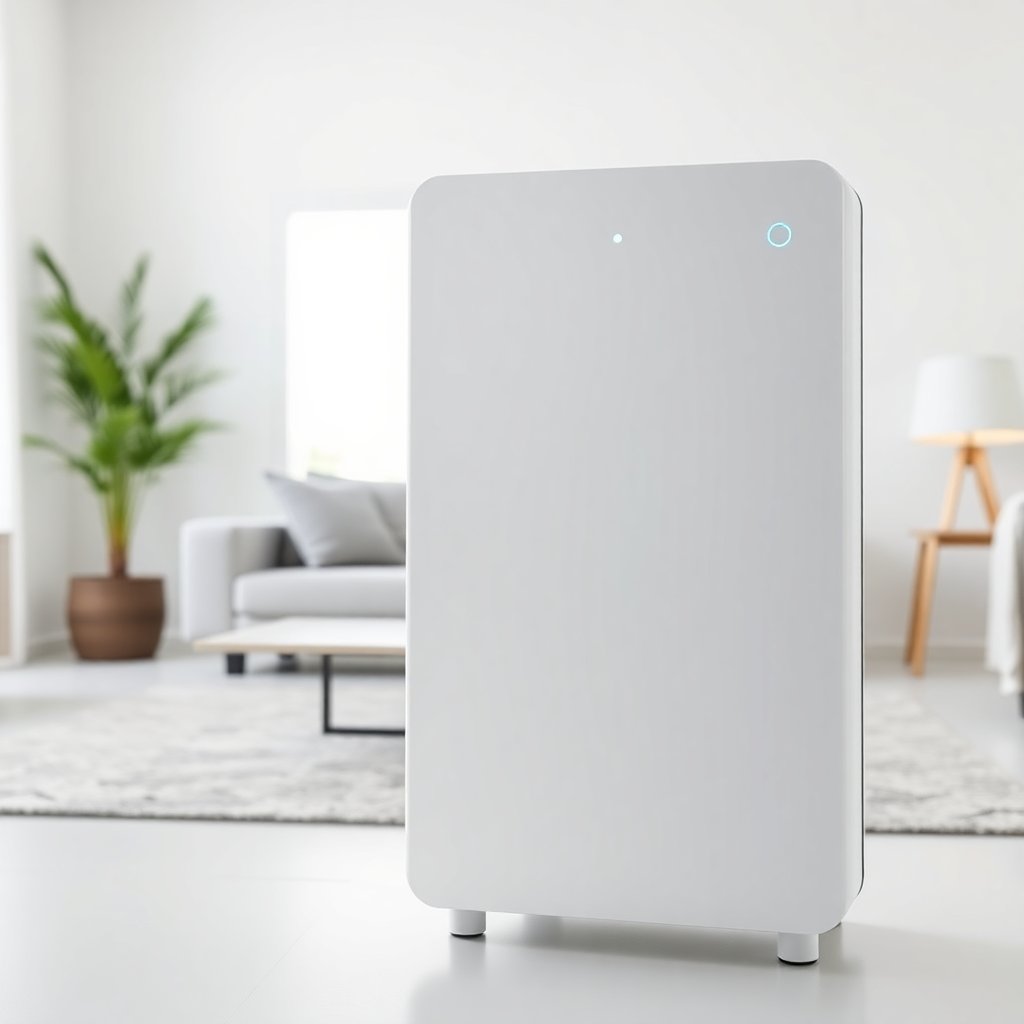
A compact air purifier or small fan. Dorm air gets stale fast, especially in older buildings with limited ventilation. A small, quiet purifier cuts odors and helps with allergens, and a clip fan improves airflow in a stuffy room. If air quality is a priority for you, our full breakdown of the best air purifiers for the home in 2026 covers what the compact models can and can't do.
A book light or bedside light. For anyone with a roommate on a different schedule, a dimmable book light lets you read or wind down without lighting up the whole room. It's small, cheap, and quietly prevents a lot of friction.
→ Shop dorm comfort and sleep gear on Amazon
The small stuff people forget
These aren't glamorous, but they're the items that send students back to the store in week one.
- A basic tool kit with a screwdriver, so you can assemble furniture and tighten loose bed frames without borrowing.
- A first-aid kit and any regular medications, plus a small stash of over-the-counter basics for the inevitable dorm cold.
- Laundry supplies: a sturdy hamper that doubles as a carry bag, detergent pods, and a roll of quarters or a laundry card if the machines aren't app-based.
- Cleaning wipes, a couple of absorbent towels, and a small trash can — shared spaces get gross fast, and having your own means you're not waiting on anyone. If your dorm has a kitchenette, our picks for the best kitchen towels for everyday cleaning are worth a look.
- An extension cord and a few extra charging cables, because they wander off and never come back.
None of these are exciting, and all of them are the difference between a smooth first week and a frustrating one.
How to spend smart during move-in
A few habits keep the total under control. Buy the boring essentials first — surge protector, storage, bedding, shower caddy — and treat décor as the reward once the functional list is covered. Coordinate with your roommate before move-in so you don't both show up with a mini-fridge and neither of you brings a trash can. Measure the space if your school publishes dimensions, especially for anything that has to fit under the bed or in a closet. And check whether an item is banned in your housing contract; halogen lamps, certain heaters, and adhesive that damages walls are common no-gos.
Above all, resist the urge to buy for a room you've never seen. It's genuinely fine to arrive with the essentials and pick up the rest in your first week once you know what the space actually needs. Overbuying is the most common — and most expensive — move-in mistake.
The bottom line
The best dorm setup in 2026 isn't the most decorated one; it's the one built around power, storage, and a desk you'll actually use. Get the surge protector, the USB-C hub, and the storage sorted first, add a mattress topper and headphones for the comfort that makes long semesters bearable, and keep the small-stuff list handy so you're not making a late-night supply run in week one. Spend on the things you'll touch every day, skip the rest until you know you need it, and you'll walk into the semester with a room that works as hard as you do.
As an Amazon Associate we earn from qualifying purchases. This article contains affiliate links; if you buy through them we may earn a small commission at no additional cost to you.