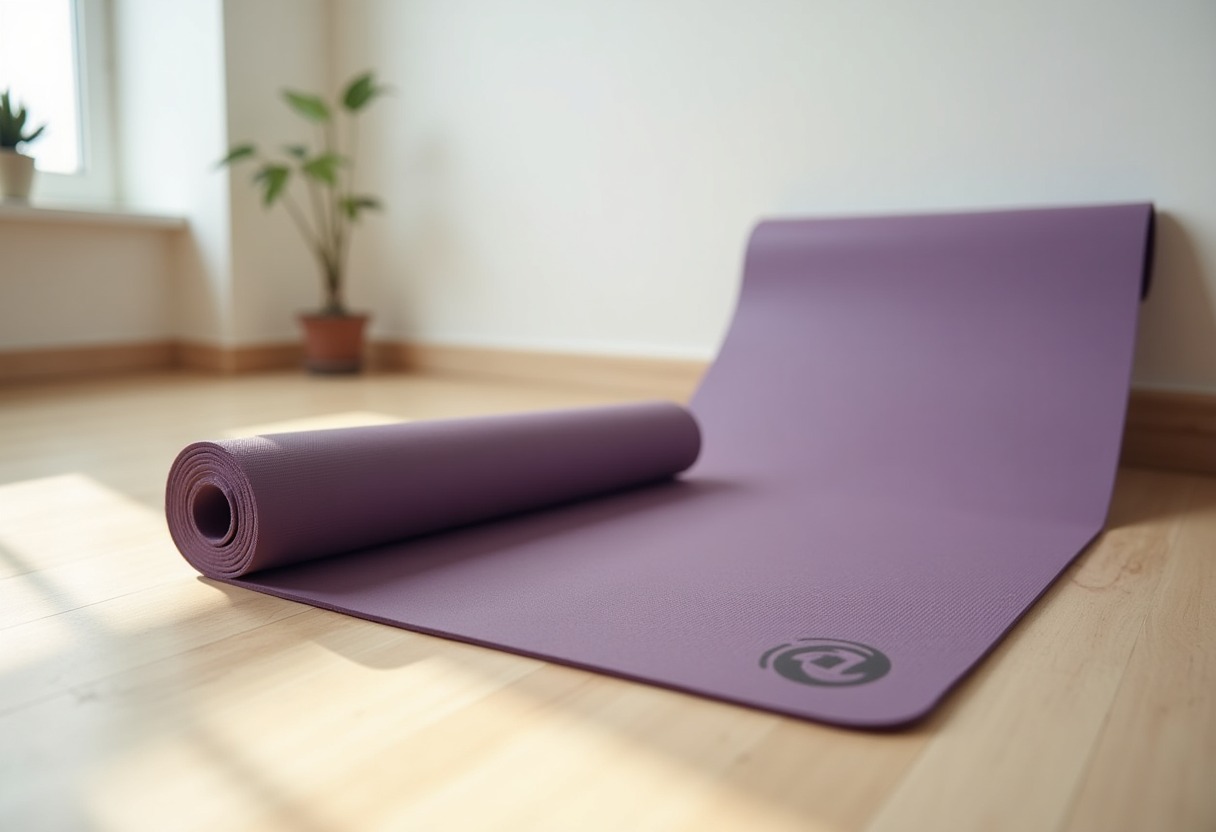
Your hands slip during downward dog. Your knees ache in child's pose. The mat you bought two years ago is flaking rubber particles across your floor, and you're done settling for subpar practice conditions in your own home.
Why Mat Quality Determines Practice Consistency
Most people abandon home yoga not because they lack motivation, but because their mat makes the practice miserable. A mat that slides on hardwood forces constant readjustment. Inadequate cushioning turns longer holds into endurance tests for your joints. Poor durability means replacing your mat annually, which gets expensive fast when quality mats cost $60-120.
The functional design of yoga mats evolved from simple rubber padding to specialized equipment with distinct performance characteristics. Grip depends on both surface texture and material composition—natural rubber provides the best traction when wet, while PVC excels at maintaining position on slippery floors. Thickness ranges from 1/16-inch travel mats to 1/2-inch therapeutic cushions, with the standard 1/4-inch thickness working for most practitioners.
Your body weight, sweat production, and primary practice style dictate which specifications matter most. Power yoga demands aggressive grip. Restorative sessions need extra padding. Daily use requires closed-cell construction that resists moisture absorption and bacterial growth.
Material Science: What Actually Affects Performance
Natural rubber mats offer superior grip and eco-credentials but weigh 5-7 pounds and smell strongly for the first month. The latex content triggers allergies in roughly 1% of practitioners. PVC (polyvinyl chloride) mats cost less, weigh less, and last longer—quality PVC construction can survive 5+ years of daily practice. They're harder to recycle and use petroleum-based materials, which bothers some users enough to pay the premium for natural alternatives.
TPE (thermoplastic elastomer) splits the difference: lighter than rubber, more recyclable than PVC, adequate grip for most styles. These work well for occasional practitioners but show wear faster under daily use. Newer polyurethane mats absorb sweat effectively and provide excellent wet grip, making them favorites for hot yoga and sweaty sessions.
Closed-cell surfaces prevent moisture absorption, which stops bacterial growth and odor development. Open-cell mats feel softer and grippier initially but absorb sweat, developing funk within months unless you clean them after every session. For home practice where you control the environment, closed-cell construction extends useful life significantly.
Thickness vs. Stability: The Cushioning Trade-Off
Standard 1/4-inch (6mm) mats balance cushioning with stability. Your joints get protection during kneeling poses, but you maintain solid contact with the floor for balance work. Thicker mats (1/2-inch or 12mm) help practitioners with knee sensitivity or those focused on floor-based stretching and restorative work.
Here's what thickness means for different practice styles:
| Thickness | Best For | Trade-Off | |-----------|----------|-----------| | 1/16" (1.5mm) | Travel, standing-focused flows | Minimal joint protection | | 1/8" (3mm) | Athletic vinyasa, balance work | Some knee discomfort possible | | 1/4" (6mm) | General home practice, all styles | Standard weight (3-5 lbs) | | 1/2" (12mm) | Restorative, therapeutic, knee issues | Unstable for balance poses |
Extra thickness destabilizes standing balance poses—tree pose, warrior III, and half moon all become harder on plush mats because your ankle works overtime to compensate for the cushion. If you practice 60% standing flows and 40% floor work, standard thickness serves you better than thick mats marketed for "extra comfort."
Mat density matters as much as thickness. High-density foam provides more support per millimeter than low-density cushioning. A quality 1/4-inch mat with 70kg/m³ density supports your joints better than a cheap 1/2-inch mat with 40kg/m³ density that compresses flat within months.
The Best Yoga Mats for Home Practice
Natural Rubber for Grip-Focused Practice
→ Shop natural rubber yoga mat on Amazon
Natural rubber mats dominate among serious practitioners because the material provides unmatched grip, especially when hands or feet are damp. The surface texture grips back when you push into it, preventing the micro-slips that break concentration during challenging holds. Expect to pay $70-100 for quality natural rubber construction, and plan for a 5-7 pound weight that makes these strictly home-use equipment. The rubbery smell dissipates after 3-4 weeks if you air the mat daily.
Extra Thick for Joint Protection
→ Shop extra thick yoga mats on Amazon
Practitioners with knee sensitivity or those recovering from injuries benefit from 1/2-inch cushioning that distributes pressure across a larger surface area. These work best for slow, grounded practices—yin, restorative, gentle hatha—where balance challenges don't matter. Look for high-density construction (70kg/m³ or higher) so the cushioning maintains support rather than bottoming out. At 6-8 pounds, these stay at home. If your practice includes significant balance work, skip this category entirely.
PVC for Durability and Value
Premium PVC mats last 5+ years of daily practice while costing $50-80. They maintain grip consistency across temperature ranges, clean easily with soap and water, and resist the deterioration that makes natural rubber mats get sticky and degraded over time. The environmental footprint bothers some practitioners, but if mat longevity matters more than eco-credentials, PVC delivers the best durability-to-cost ratio. These work across all practice styles and remain stable in balance poses.
Polyurethane for Hot Practice
Polyurethane surface layers absorb moisture rather than becoming slippery, making these the preferred choice for heated sessions or practitioners who sweat heavily. The material gets grippier as it absorbs moisture—the opposite of most mat surfaces. These typically feature a polyurethane top layer bonded to a rubber or TPE base for stability. They require more frequent cleaning than closed-cell alternatives and cost $80-120, but if you practice hot yoga at home or sweat through every session, the performance justifies the price.
Travel Mats for Limited Space
→ Shop travel yoga mat on Amazon
Foldable 1/16-inch mats work for practitioners with minimal storage space or those who want a mat that travels easily between home locations. At 1-2 pounds, these pack into bags or fold into drawers. The minimal cushioning means they suit standing-focused practices and younger practitioners without joint concerns. Quality travel mats cost $40-60 and function better than the budget 1/4-inch mats at the same price point because the thinner construction uses better materials.
What Most Reviews Miss About Mat Longevity
Mat manufacturers don't publish expected lifespan because it varies wildly based on use patterns, but here's what 500+ practice sessions does to different constructions:
Natural rubber shows surface degradation first. The grippy texture becomes sticky-tacky rather than friction-grippy around the 18-month mark with daily use. You'll notice black residue on your palms. Some practitioners prefer this broken-in feel; others find it gross. The structural integrity remains sound—these mats don't fall apart, they just change character.
PVC maintains performance longest but shows visual wear. High-traffic areas where your hands and feet land repeatedly develop a polished appearance where the texture wears smooth. Grip decreases in these exact spots, which matters for practitioners who place hands and feet consistently in the same positions. Rotating your mat 180 degrees every few months distributes wear more evenly.
TPE mats compress permanently in high-use zones. The cushioning flattens where you spend the most time, creating valleys in your mat that affect balance. This happens faster with lower-density TPE—if you're buying TPE, verify density specifications exceed 60kg/m³.
The edges tell the truth about construction quality. Cheap mats delaminate at edges within 12 months—the layers separate, or the material curls. Quality mats maintain flat, intact edges for years. Check edge condition on any mat that's been used for 6+ months; it predicts remaining lifespan better than surface condition.
Storage matters more than most practitioners realize. Rolled mats develop compression memory if stored the same direction for months. The mat "remembers" being rolled and resists laying flat. Store mats flat when possible, or alternate which end gets rolled inward. Hanging mats over a bar creates permanent crease lines that affect the practice surface.
Storage and Care That Extends Useful Life
Mat carriers protect your investment during storage and transport. → Shop yoga mat carrier strap on Amazon A simple strap with shoulder padding costs $12-20 and prevents the dust accumulation and edge damage that happens when mats sit exposed in closets or corners. If you practice daily, keeping your mat rolled and secured between sessions takes ten seconds and prevents the flattening that makes mats reluctant to roll after being left spread out.
Clean your mat with diluted dish soap and water after sweaty sessions, not specialized mat cleaners that cost $15 per bottle. A 1:50 soap-to-water ratio in a spray bottle works perfectly. Spray, wipe with a microfiber cloth, air dry. The specialized cleaners use the same gentle surfactants as dish soap plus fragrance and preservatives that justify the premium price. Save your money.
Deep clean every 4-6 weeks by filling a tub with cool water and a few drops of soap, submerging the mat for 5 minutes, scrubbing gently with a soft brush, rinsing thoroughly, and hanging to dry completely before rolling. Never machine-wash yoga mats—the agitation damages the material structure and most mats emerge permanently creased or delaminated.
Air mats after every use, even quick sessions. Bacteria and odor develop in the moisture that gets trapped when you immediately roll a mat after practice. Hang or drape the mat for 20-30 minutes before storing. This habit alone extends mat life by months because it prevents the bacterial colonies that break down materials and create persistent funk that requires replacement.
Direct sunlight degrades rubber and PVC. If you air your mat outdoors or near a sunny window, limit exposure to 15-20 minutes. UV radiation breaks down the chemical bonds in mat materials, causing brittleness and surface breakdown. A shaded area with good airflow dries your mat without accelerating deterioration.
If your practice space allows, leaving your mat unrolled between sessions benefits both the mat and your practice consistency. Seeing the mat laid out reminds you to practice, and the material relaxes into optimal flatness. This works best if you have dedicated practice space away from foot traffic. For shared spaces or small homes, the carrier strap solution keeps your mat protected without requiring permanent floor space.
FAQ
How thick should my yoga mat be for knee protection during home practice?
Standard 1/4-inch (6mm) thickness provides adequate cushioning for most practitioners with healthy joints performing typical yoga poses. Your knees rest on roughly 6 square inches of mat surface in poses like cat-cow or tabletop, and quality 6mm foam distributes your weight sufficiently to prevent discomfort during 5-10 second holds. If you experience knee pain even with 6mm cushioning, try a folded towel or blanket under your knees rather than switching to a thicker mat—the 1/2-inch mats compromise stability for standing balance work. True knee sensitivity that requires 1/2-inch cushioning throughout practice typically indicates an underlying issue worth discussing with a physical therapist.
What makes a yoga mat non-slip, and do I need different grip for different practice styles?
Grip comes from two factors: surface texture and material properties. Textured surfaces create mechanical grip through friction—your skin catches in the tiny ridges and valleys. Material grip comes from the molecular structure—natural rubber and polyurethane create a tacky surface that resists sliding even when smooth. Power yoga and vinyasa flow require aggressive grip because you transition through poses quickly, pushing forcefully against the mat. Gentle or restorative styles tolerate less grip since you move slowly and deliberately. If you practice multiple styles, prioritize grip specifications for your most challenging practice—adequate grip for power yoga works fine for restorative sessions, but a mat chosen for gentle practice will frustrate you during dynamic flows.
How do I know when my yoga mat needs replacing rather than just cleaning?
Replace your mat when you notice any of these signs: visible compression valleys where your hands and feet land most frequently, delamination at the edges where layers separate, persistent odor that returns within days after deep cleaning, or slippery spots that won't restore grip even after thorough washing. Surface staining alone doesn't require replacement—discoloration is cosmetic and doesn't affect performance. The grip test tells you everything: place your hands in downward dog position and try to slide them forward; if they move more than a centimeter before catching, grip has degraded beyond recovery. Most quality mats survive 2-3 years of daily practice before these failure modes appear, though travel and storage conditions affect this timeline significantly.
Should I spend more on a yoga mat for home practice since I'll use it frequently?
Yes, but with specific thresholds. A $70-90 mat will outlast three $25-30 budget mats while providing better grip and cushioning throughout its life. The cost-per-practice drops dramatically with quality construction. However, the $120+ premium mats don't provide proportionally better performance—you're often paying for brand positioning, eco-certifications, or aesthetic details rather than functional superiority. The value zone sits between $60-90 where construction quality ensures 2+ years of daily use and materials deliver the grip and cushioning that make practice comfortable. If you're genuinely practicing 4+ times weekly at home, this investment pays off within the first year. Check out our guide to Best Fitness Gear Under 100 for complementary equipment that enhances your home practice setup.
Can I use the same mat for hot yoga and regular practice at home?
You can, but polyurethane-surface mats that excel in hot conditions perform differently in standard temperatures. These mats get grippier as they absorb moisture, which means they feel slightly less grippy during dry, room-temperature practice compared to their hot-condition performance. If you split your practice evenly between heated and regular sessions, polyurethane works well overall. For practitioners who do hot yoga occasionally (less than 30% of sessions), a standard natural rubber or quality PVC mat with good inherent grip serves better—you can add a yoga towel for the occasional hot session rather than optimizing for the less frequent use case. The moisture-absorbing properties that make polyurethane ideal for hot practice also require more frequent cleaning, so factor that maintenance into your decision.
The mat beneath your hands and feet determines whether your home practice builds or breaks momentum.
Some links on this page are affiliate links. We may earn a small commission if you purchase through them, at no extra cost to you.
As an Amazon Associate we earn from qualifying purchases. This article contains affiliate links; if you buy through them we may earn a small commission at no additional cost to you.