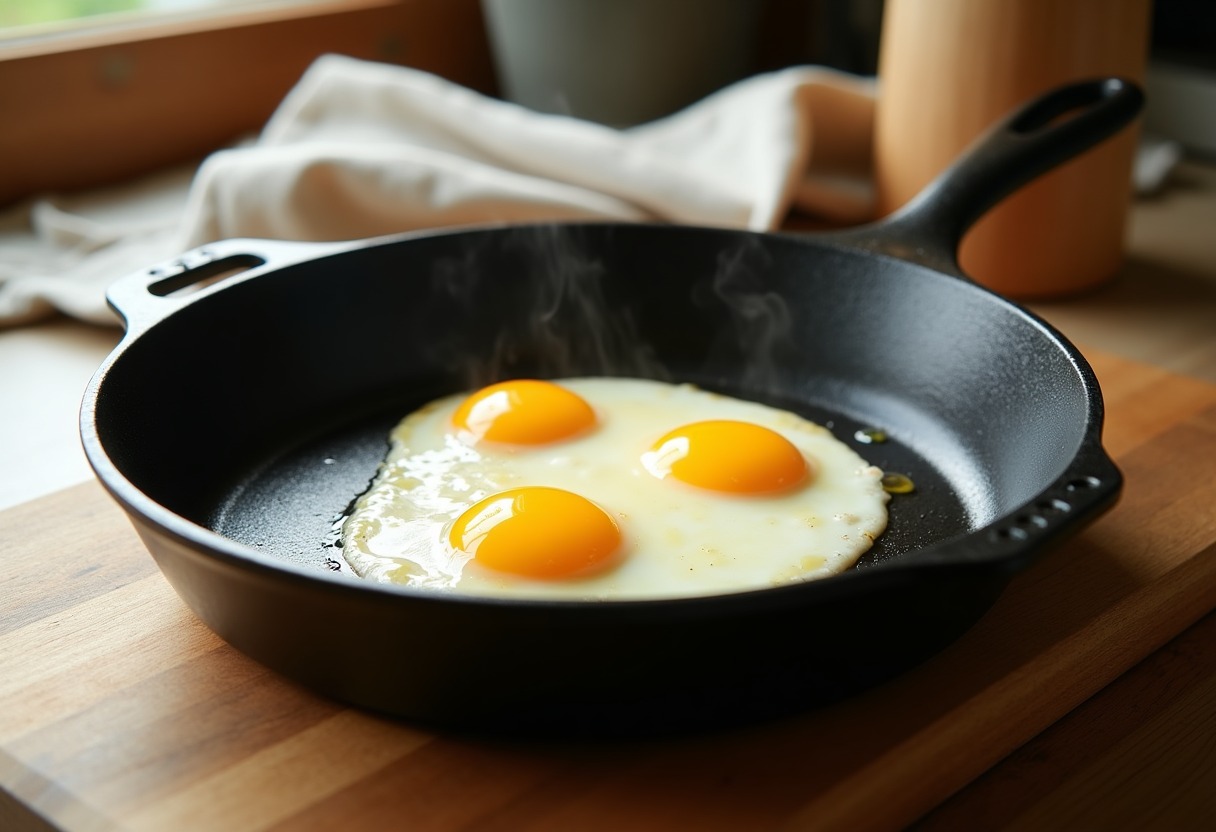
Cast iron cookware has survived centuries of kitchen evolution because it solves two fundamental cooking problems: heat retention that makes steaks sear properly and versatility that takes you from stovetop to oven without missing a beat. The real decision comes down to whether you want to start cooking immediately with a pre-seasoned pan or build your own seasoning foundation from raw iron.
Why Cast Iron Remains the Standard for Serious Home Cooks
Cast iron's thermal mass stores and distributes heat more evenly than aluminum or stainless steel, creating consistent cooking temperatures across the entire surface. According to Consumer Reports testing, properly seasoned cast iron develops natural nonstick properties that rival modern coatings while withstanding temperatures that would destroy Teflon.
The manufacturing process affects performance significantly. Pre-seasoned skillets receive factory coatings of vegetable oil or flaxseed oil that polymerize under controlled heat, creating an initial protective layer. Raw cast iron arrives with only a thin protective coating that you remove before building your own seasoning layers. This difference determines both your first cooking experience and long-term maintenance requirements.
Modern cast iron falls into two distinct price categories. Budget options like Lodge use traditional sand casting that creates slightly textured surfaces, while premium brands like Finex employ machined surfaces and custom handle designs that command 3-4x higher prices.
Pre-Seasoned vs Raw Cast Iron: Performance and Practicality
Pre-seasoned cast iron pans offer immediate usability but sacrifice customization control. Factory seasoning typically consists of multiple thin coats of vegetable oil heated to 400-450°F, creating a bronze-colored surface that's ready for cooking. This coating performs adequately for most cooking tasks but may not achieve the deep black patina that develops with extended use and proper care.
Raw cast iron requires initial preparation but rewards you with superior long-term performance. You control the seasoning oil type, application method, and heat treatment, creating a more durable foundation. Flaxseed oil produces harder seasoning layers than vegetable oil due to its higher polyunsaturated fat content, while avocado oil offers better heat stability for high-temperature cooking.
The break-in period differs substantially between options. Pre-seasoned pans become fully functional after 5-10 cooking sessions, while raw iron needs 3-5 seasoning cycles before reaching comparable nonstick performance. However, raw iron typically develops better food release properties within 6 months of regular use.
| Feature | Pre-Seasoned Cast Iron | Raw Cast Iron | |---------|----------------------|---------------| | Initial Setup | Ready to cook immediately | Requires 2-3 hours of initial seasoning | | First Month Performance | Good food release, occasional sticking | Moderate sticking until seasoning builds | | Long-term Durability | Adequate with proper care | Superior with custom seasoning foundation | | Price Premium | Standard pricing | Often 10-15% less expensive |
Recommended Cast Iron Pans for Different Cooking Styles
Lodge remains the most reliable entry point for cast iron cooking. Their → Shop pre-seasoned cast iron skillet on Amazon delivers consistent performance across 8-inch, 10-inch, and 12-inch sizes. The textured surface requires more oil initially but develops excellent food release after proper break-in. Lodge's factory seasoning holds up well to daily use and aggressive cleaning.
For premium performance, Finex skillets justify their higher cost through superior machined surfaces and ergonomic spring handles. The smooth cooking surface requires less oil and develops nonstick properties faster than textured alternatives. Their → Shop raw cast iron pan on Amazon option allows complete seasoning customization from day one.
Victoria Cast Iron provides middle-ground pricing with Colombian-made skillets that balance surface smoothness with affordability. Their long handles stay cooler during stovetop cooking, making them practical for daily use.
For specialized cooking, consider Lodge's → Shop cast iron Dutch oven on Amazon for braising and bread baking, or their reversible → Shop cast iron griddle on Amazon for pancakes and pressed sandwiches. These pieces integrate with existing cast iron collections while expanding cooking capabilities.
Field Company offers modern design interpretations with lighter-weight construction and smooth surfaces. Their skillets heat more evenly than traditional thick-walled cast iron while maintaining thermal mass advantages over lighter cookware materials.
Advanced Cast Iron Care That Most Guides Skip
Seasoning success depends more on thin, multiple coats than single thick applications. Apply oil with a paper towel until the surface appears dry, then heat until the oil polymerizes into a hard coating. Multiple 30-minute cycles at 450°F create better foundations than single long sessions.
Cleaning misconceptions damage more cast iron than actual use. Soap won't strip properly bonded seasoning layers, but aggressive scrubbing with steel wool will. Use coarse salt as an abrasive for stuck food, followed by gentle soap and water when necessary. Dry immediately and apply a thin oil coat while the pan retains residual heat.
Storage humidity matters more than most realize. Cast iron rusts quickly in humid environments, so store completely dry pans with paper towels or silica gel packets in humid climates. A thin coat of food-grade mineral oil provides better rust protection than cooking oils that can turn rancid over time.
Heat management prevents most cast iron problems. Preheating gradually prevents thermal shock that can crack pans, while avoiding extreme temperature changes (like cold water on hot iron) prevents warping. Medium heat handles most cooking tasks better than high temperatures that can damage seasoning layers.
Maintenance kits streamline care routines. A → Shop cast iron maintenance kit on Amazon typically includes specialized scrapers, seasoning oil, and detailed instructions that prevent common beginner mistakes.
Like other essential Kitchen Foundations, cast iron requires initial investment in technique but pays dividends through decades of reliable performance. Proper care makes these pans heirloom pieces that improve with age.
FAQ
Should beginners choose pre-seasoned or raw cast iron skillets? Pre-seasoned skillets offer the best starting point for new cast iron users because they eliminate seasoning guesswork and provide immediate cooking capability. The factory seasoning may not be perfect, but it's adequate for learning proper heat management and cleaning techniques. Raw iron requires more upfront knowledge about oil selection, temperature control, and seasoning techniques that can overwhelm beginners and lead to frustration.
How do Lodge and Finex cast iron pans compare in everyday performance? Lodge skillets excel in durability and value, with textured surfaces that develop excellent food release after proper break-in, while Finex offers superior machined surfaces and ergonomic handles that justify their premium pricing for serious cooks. Lodge requires more initial oil and patience during the first month of use, but both brands perform similarly once properly seasoned. Finex's spring handles and smooth surfaces provide better control and faster nonstick development, making them worth the investment for daily cooking enthusiasts.
What oils work best for seasoning cast iron from scratch? Flaxseed oil creates the hardest, most durable seasoning layers due to its high polyunsaturated fat content, making it ideal for building initial coats on raw iron. Avocado oil offers better heat stability for high-temperature cooking and won't break down as quickly during aggressive searing. Vegetable shortening provides reliable results at lower cost and works well for maintenance seasoning, while avoiding olive oil which has too low a smoke point for proper polymerization.
Can cast iron pans replace stainless steel in most cooking situations? Cast iron handles most cooking tasks exceptionally well, including searing, frying, baking, and braising, but struggles with acidic foods that can strip seasoning and metallic flavors to delicate dishes. Stainless steel remains superior for tomato-based sauces, wine reductions, and recipes requiring frequent stirring of acidic ingredients. Cast iron also heats slowly compared to stainless steel, making it less suitable for quick cooking techniques that require rapid temperature changes.
How long does proper cast iron seasoning take to develop fully? Well-maintained cast iron reaches good nonstick performance within 3-6 months of regular use, with full seasoning maturity occurring after 1-2 years of consistent cooking and proper care. Initial seasoning takes 2-4 hours for raw iron, involving multiple thin coats of oil heated to 450°F for 30-minute cycles. Pre-seasoned pans need only 5-10 cooking sessions to improve their factory coating, but both types continue improving with use as cooking oils and fats contribute additional seasoning layers during normal cooking.
Cast iron cookware transforms kitchens not through fancy features but through fundamental cooking performance that improves with every meal you prepare.
Some links on this page are affiliate links. We may earn a small commission if you purchase through them, at no extra cost to you.
As an Amazon Associate we earn from qualifying purchases. This article contains affiliate links; if you buy through them we may earn a small commission at no additional cost to you.